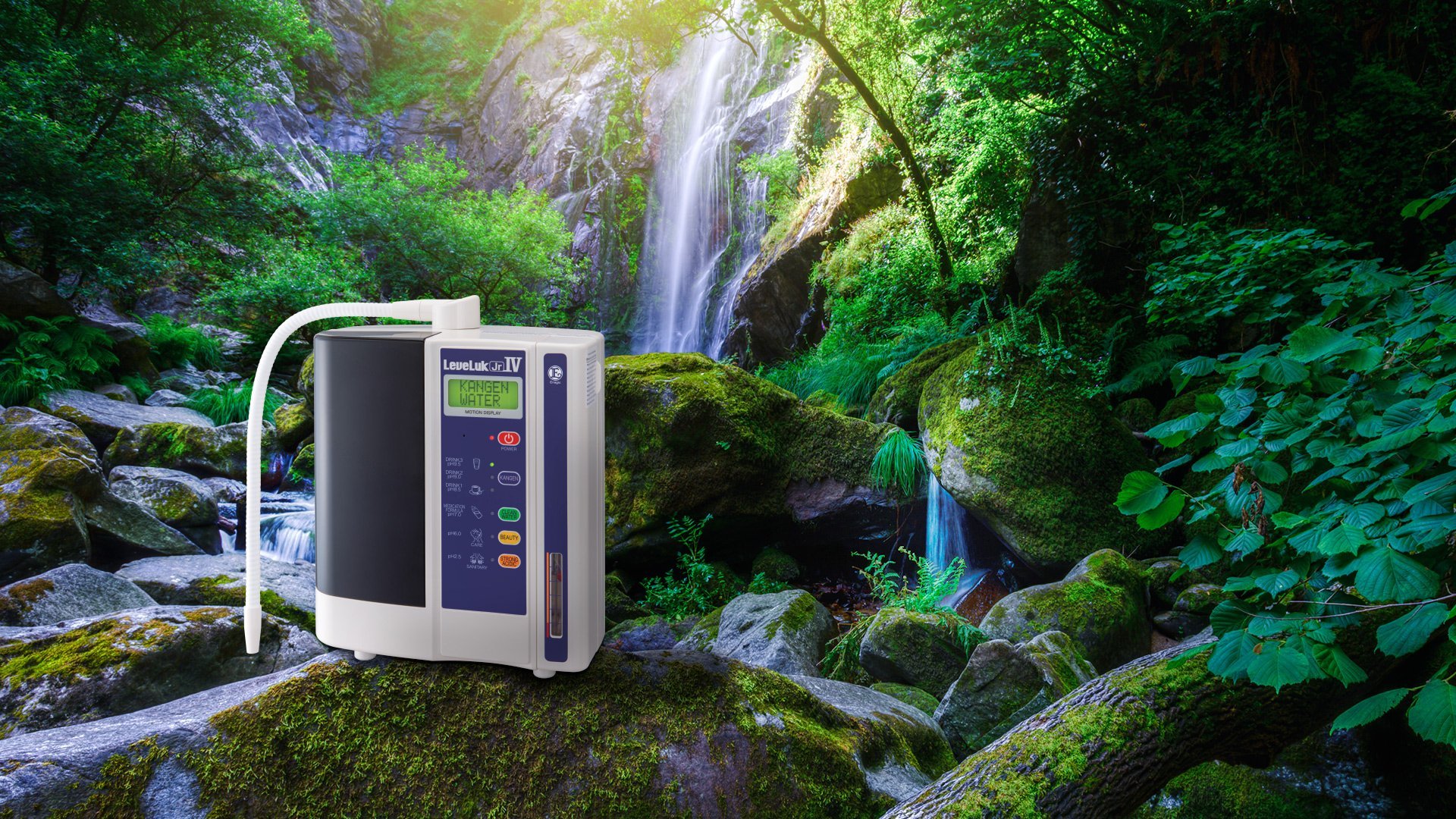
If you’ve spent more than five minutes researching alkaline water, you’ve run into Kangen Water. It’s the brand that launched a thousand Facebook posts, countless “scientific” demonstrations involving pH drops, and a business model that has turned your neighbors into amateur water scientists.
But here’s the question no one in your neighborhood wants to answer: Is the technology actually good, or are you just paying for someone’s Hawaiian vacation?
The “Vintage Tech” Reality Check
Walking into an Enagic distributor’s home is like stepping into a technical museum. The flagship models—like the venerable SD501—have been the cornerstone of the company for decades. While other industries (like smartphones or computers) iterate every 12 months, Enagic seems content to stay in the 90s.
When we talk about “Vintage Technology,” we aren’t being mean—we’re being accurate. While modern competitors like Tyent are using Solid/Hybrid mesh plates and SMPS power supplies that adapt to your exact water source, Enagic is still relying on transformer-based power and solid plate architecture that hasn’t seen a significant upgrade since the Clinton administration.
The Problem with Solid Plates
Enagic fans swear by “Solid Plates.” But in 2026, we know better. Solid plates have less surface area than modern Mesh or Hybrid plates, meaning they require massive amounts of electricity to produce the same ionization levels. This leads to heat issues and, eventually, a shorter lifespan for the hardware.
The MLM “Distributor Tax”
This is the part Enagic distributors don’t put in their brochures. When you buy a K8 for $5,000, roughly $2,300 of that price goes directly to commissions for the 8-point compensation structure.
When you buy a Kangen machine, you aren’t just buying a water ionizer; you’re paying for:
- The person who sold it to you.
- Their “upline.”
- The person above them.
- …and so on, for eight levels.
At WaterIonizer.com, we call this the MLM Tax. It’s the reason a machine with 1990s tech costs twice as much as a 2026 flagship model from a direct-to-consumer brand.
Filtration: The Missing Data
One of our biggest gripes with Enagic is their lack of transparency regarding filtration. If you look at their spec sheets, they are remarkably vague about what their filters actually remove. In an era where Lead, PFAS, and Chromium-6 are in the news every week, “good-tasting water” isn’t enough.
For a deeper dive into their technical shortcomings, check out our Full Enagic Brand Review.
The Verdict
Are Kangen machines bad? No. They are well-built, heavy-duty machines that will probably last a long time.
Are they the best? Not by a long shot.
If you enjoy the social aspect of an MLM and don’t mind overpaying for legacy hardware to support a friend’s business, go for it. But if you’re looking for the best hydrogen production, the most advanced filtration, and a price tag that reflects the actual hardware inside the box, you should look elsewhere.
Explore the Models:
- Leveluk K8 Review – The “Modern” (by Enagic standards) Flagship.
- SD501 Review – The technical museum piece that started it all.
- Leveluk Jr IV Review – The “budget” model that still costs more than a top-tier competitor.
For a side-by-side comparison of how these legacy units stack up against modern tech, see our 2026 Buyer’s Guide.